




Swimming Pool Liners: Your Complete Guide from Pool Warehouse
Welcome to the Pool Warehouse swimming pool liner category! Your pool's liner is its protective skin, ensuring watertight integrity and adding to its overall aesthetic appeal. Whether you're replacing an old, worn-out liner or choosing a liner for a new pool, this guide will provide you with the information you need to make the right decision. We'll cover everything from different types of liners to installation tips and maintenance advice.
At Pool Warehouse, we offer a wide selection of high-quality swimming pool liners for both inground and above ground pools. Browse our selection today and find the perfect fit for your pool!
What is a Swimming Pool Liner?
A swimming pool liner is a vinyl membrane that lines the inside of your pool, creating a waterproof barrier between the pool structure and the water. It's crucial for preventing leaks and protecting the underlying structure of your pool from water damage. Liners come in various thicknesses, patterns, and installation styles, catering to different pool types and aesthetic preferences.
Types of Swimming Pool Liners
Pool liners are categorized primarily by the type of pool they are intended for (inground or above ground) and the method of attachment to the pool wall. Here's a breakdown:
Above Ground Pool Liners
- Overlap Liners: These liners simply drape over the pool wall and are held in place by coping strips. They are typically the most economical option.
- Beaded Liners: These liners feature a bead along the top edge that snaps into a receiver track attached to the pool wall. This provides a secure and often more visually appealing installation.
- Unibead Liners: A versatile option that can be used as either an overlap liner or a beaded liner, depending on how it's installed. This offers flexibility during installation.
Inground Pool Liners
- Beaded Liners: Similar to above ground beaded liners, these snap into a track along the top of the pool wall. The bead allows for easy replacement without disturbing the pool coping.
- Overlap Liners: Less common in inground pools, these are similar to the above ground variety, but require more precise installation.
How to Choose the Right Swimming Pool Liner
Selecting the right pool liner involves considering several factors:
- Pool Type: Inground or above ground? This will immediately narrow down your options.
- Pool Size and Shape: Accurate measurements are crucial for a proper fit. Measure the length, width, and depth of your pool precisely. For irregularly shaped pools, professional measurement is recommended.
- Liner Thickness: Thicker liners (e.g., 20-28 mil) are generally more durable and resistant to punctures and tears, but may be more expensive.
- Material Durability: Vinyl is the standard material for pool liners.
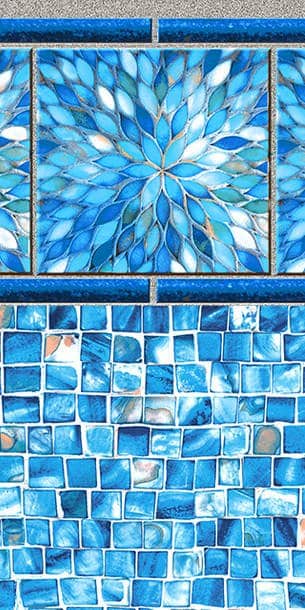
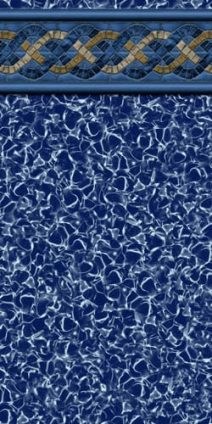
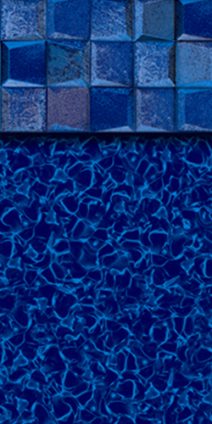
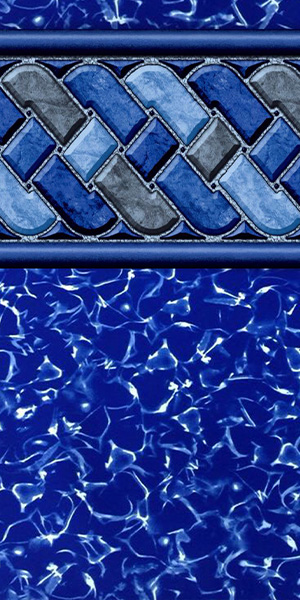
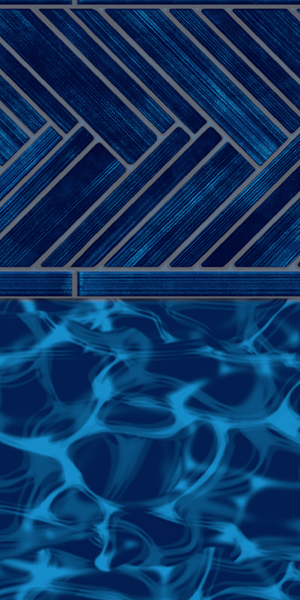
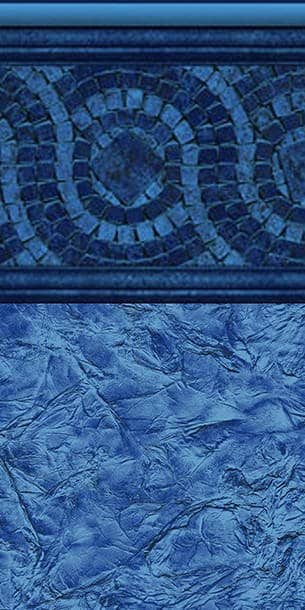
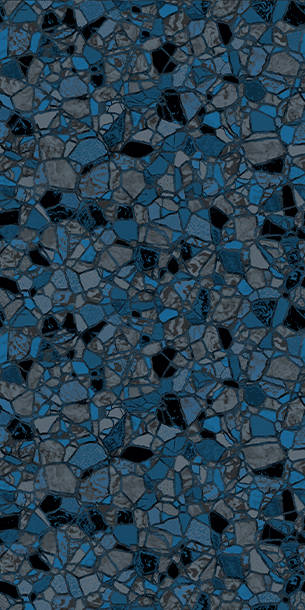
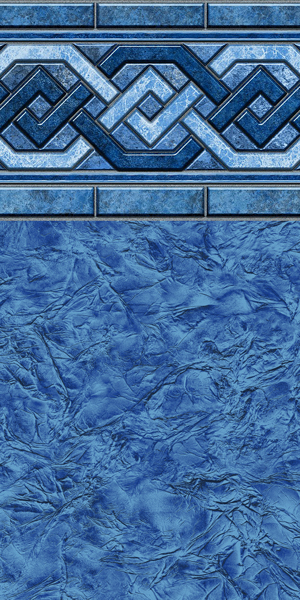
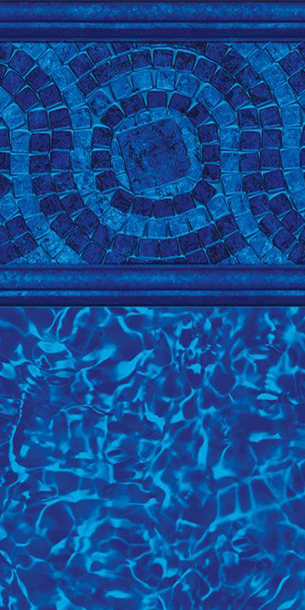
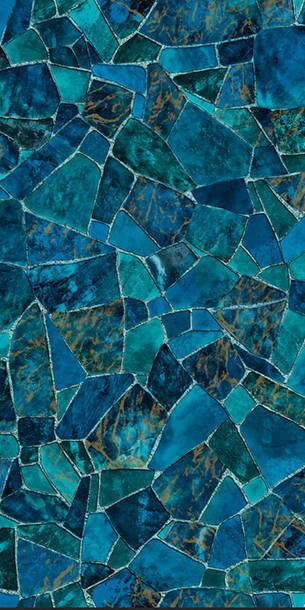
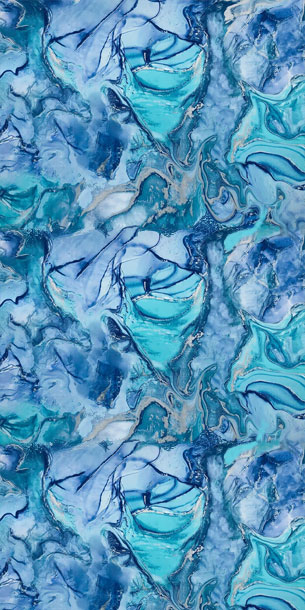
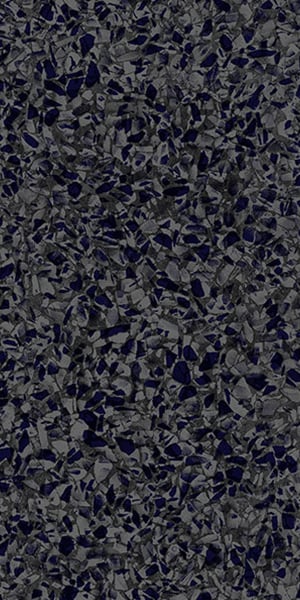
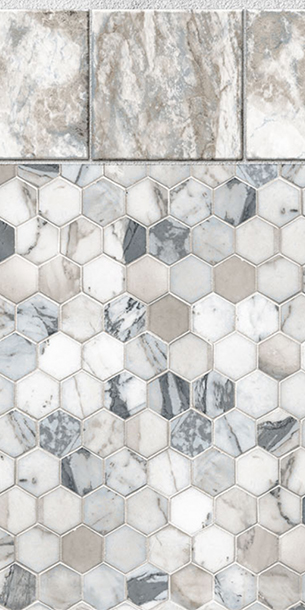
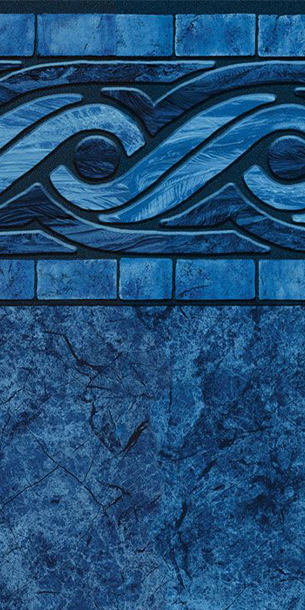
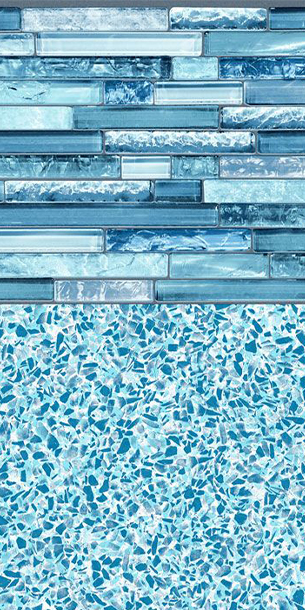
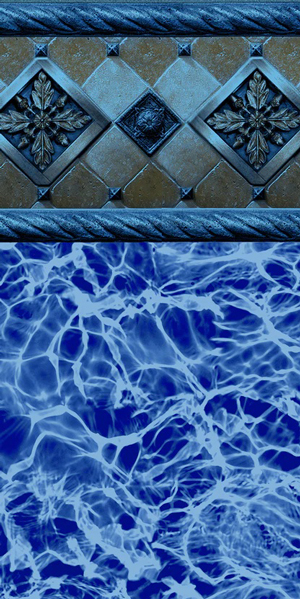
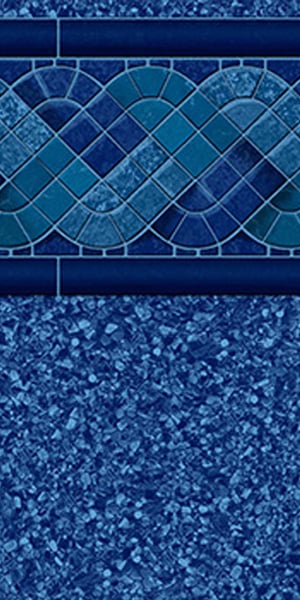
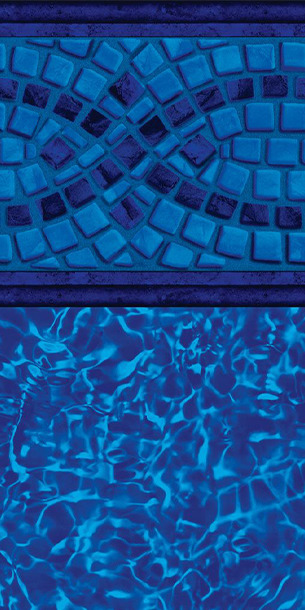
- Pattern and Color: Choose a pattern and color that complements your backyard décor and personal preferences. Darker liners tend to absorb more heat, potentially warming the water, but may also fade faster.
- Installation Method: Consider your DIY capabilities. Overlap liners are generally easier to install, while beaded liners may require more expertise.
- Budget: Set a budget and compare prices from different suppliers. Don't sacrifice quality for price, as a cheap liner may cost more in the long run due to premature failure.
Material Durability Comparison: Vinyl Pool Liners
Most swimming pool liners are made of vinyl. The quality of the vinyl, along with its thickness, determines its durability. Factors impacting lifespan include UV exposure, chemical balance of the pool water, and physical stress (e.g., pets, sharp objects).
- Virgin Vinyl: Made from 100% new materials, virgin vinyl is generally more durable and resistant to tearing and fading than recycled vinyl.
- Recycled Vinyl: Liners made with recycled vinyl may be less expensive, but often have a shorter lifespan and are more prone to degradation.
- Thickness: Measured in mils (thousandths of an inch), thicker liners are generally more resistant to punctures and tears. Common thicknesses range from 20 mil to 28 mil.
Swimming Pool Liner Installation Tips
Proper installation is crucial for the longevity of your pool liner. Here are some general tips:
- Preparation is Key: Thoroughly clean the pool floor and walls, removing any debris, rocks, or sharp objects that could puncture the liner.
- Ideal Weather Conditions: Install your liner on a warm, sunny day. The heat will make the vinyl more pliable and easier to stretch.
- Use a Liner Vacuum: A liner vacuum can help to remove wrinkles and ensure a smooth, tight fit.
- Follow Manufacturer's Instructions: Always refer to the manufacturer's instructions for specific installation guidelines.
- Seek Professional Help: If you're not comfortable installing the liner yourself, hire a qualified pool professional.
Geo-Specific Considerations: Climate and Your Pool Liner
The climate in your region can significantly impact the lifespan of your pool liner:
Freezing Climates
- Winterizing is Essential: Proper winterization is crucial to prevent damage to your liner in freezing climates. This includes draining the pool water below the skimmer, using winter plugs, and covering the pool.
- Ice Expansion: Expanding ice can put significant stress on the liner, potentially causing tears or punctures. Consider using an ice compensator to absorb the pressure.
Warm Climates
- UV Exposure: Prolonged exposure to sunlight can cause the liner to fade and become brittle. Choose a liner with UV inhibitors to protect it from the sun's harmful rays.
- Chemical Imbalance: Maintaining proper water chemistry is essential in warm climates to prevent algae growth and chemical damage to the liner.
Swimming Pool Liner Maintenance
Proper maintenance can significantly extend the life of your pool liner:
- Regular Cleaning: Brush the pool walls and floor regularly to remove dirt and debris.
- Water Chemistry: Maintain proper water balance (pH, alkalinity, calcium hardness) to prevent chemical damage to the liner.
- Avoid Sharp Objects: Be careful not to introduce sharp objects into the pool that could puncture the liner.
- Prompt Repairs: Address any small tears or punctures immediately to prevent them from spreading. Liner patch kits are readily available.
Troubleshooting Common Pool Liner Problems
- Leaks: Inspect the liner carefully for any signs of tears or punctures. Use a liner patch kit to repair small leaks. For larger leaks, professional repair or liner replacement may be necessary.
- Fading: Fading is a common issue, especially with darker liners. While you can't completely prevent fading, using a pool cover when the pool is not in use can help to minimize UV exposure.
- Wrinkles: Wrinkles can be caused by improper installation or shifting of the pool floor. In some cases, wrinkles can be removed by draining the pool and re-stretching the liner.
- Stains: Algae growth or mineral deposits can cause stains on the liner. Use appropriate pool chemicals and cleaning solutions to remove stains.
Ready to Find Your Perfect Pool Liner?
At Pool Warehouse, we're committed to providing you with the best selection of high-quality swimming pool liners at competitive prices. Browse our category now and find the perfect liner to transform your pool into a beautiful and inviting oasis. If you have any questions, our expert customer service team is here to help!