How to Install a Sump Pump Underneath a Vinyl Inground Swimming Pool
If you’re installing a vinyl inground swimming pool, ensuring proper drainage is crucial to maintaining the longevity and structural integrity of your pool. One essential component to prevent hydrostatic pressure buildup and groundwater issues is a sump pump system. This guide will walk you through the process of installing a sump pump beneath your vinyl pool to protect your investment and keep your backyard oasis in top condition.
Why You Need a Sump Pump for Your Vinyl Pool
A sump pump helps manage groundwater levels, preventing excessive hydrostatic pressure from accumulating underneath your vinyl liner pool. Without a proper drainage system, groundwater can cause the liner to float, leading to wrinkles, structural damage, or even pool failure. Installing a sump pump ensures your pool remains stable by efficiently removing excess water from beneath the pool shell.
Tools & Materials Needed
To install a sump pump, you’ll need the following:
- Sump pump (submersible or pedestal type)
- PVC pipes (1.5″ or 2″)
- Gravel (pea gravel recommended)
- Perforated drainage pipe (4″)
- Filter fabric
- Shovel or excavation equipment
- PVC fittings and primer/glue
- Electrical outlet (GFCI protected)

Step-by-Step Installation Process
- Plan the Pump Location: Identify the lowest point in your pool excavation area, ideally near the deep end or at a central point where groundwater accumulates the most. This ensures effective water collection and drainage.
- Excavate the Sump Pit: Dig a hole approximately 24” deep and 18” wide beneath the pool before installing the base. The sump pit should be large enough to accommodate the pump and allow easy water collection.
- Install Drainage Pipes: Lay perforated drainage pipes around the pool perimeter, directing water towards the sump pit. Wrap the pipes in filter fabric to prevent clogging from sediment and debris. Cover the pipes with a layer of pea gravel for additional filtration.
- Place the Sump Pump in the Pit: Set the sump pump in the pit, ensuring it sits level. If using a submersible pump, ensure the float switch has enough clearance to activate when needed. For pedestal pumps, position the float above the pit to trigger drainage automatically.
- Connect Discharge Pipe: Attach PVC piping to the sump pump’s discharge outlet and run it to a suitable drainage area away from the pool. Use PVC primer and glue to secure fittings and prevent leaks.
- Backfill and Secure the Pit: Fill the sump pit with gravel up to the base of the pump. Place a perforated cover over the pit to prevent debris from entering while allowing easy maintenance access.
- Power the Pump: Connect the sump pump to a GFCI-protected outlet to ensure safe operation. Test the system by adding water to the pit and verifying that the pump activates and properly drains excess groundwater.
What is a Hydrostatic Valve?
Now that we have walked through the installation process of a sump pump in your inground pool, we need to go over the next most important item on our install list that will help your pump operate efficiently and better control the ground water issue that could occur– A Hydrostatic Relief Valve. A hydrostatic relief valve (HRV) is installed at the lowest point of the pool (usually in the main drain) and allows groundwater to enter the pool when pressure builds up beneath it. This prevents the pool shell from “floating” due to hydrostatic pressure. A sump pump is placed outside the pool structure (beneath or around it) to actively pump out excess groundwater, reducing pressure before it reaches critical levels. When combined, the two systems work together to keep your pool safe.
Tools & Materials Needed
To install a sump pump, you’ll need the following:
- Hydrostatic relief valve (HRV)
- Main drain assembly
- Underground sump pump (submersible or pedestal type)
- PVC pipes (1.5″ or 2″)
- Check valve
- Gravel (pea gravel recommended)
- Perforated drain pipe (4″)
- Filter fabric
- PVC primer and glue
- Shovel or excavation equipment
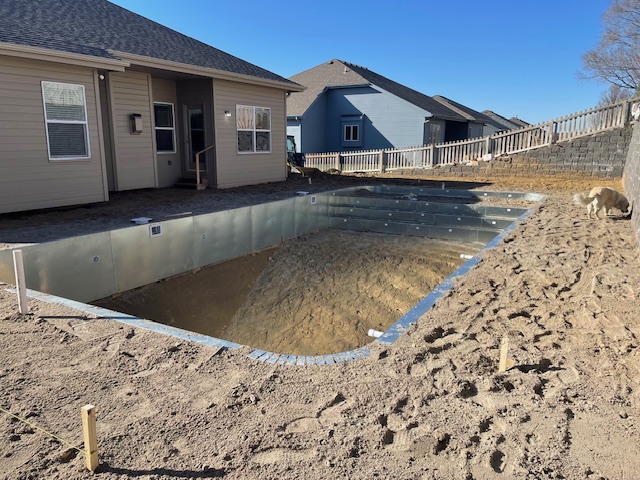
Step-by-Step Installation Process
- Install the Hydrostatic Relief Valve in the Main Drain
- The HRV is typically placed inside the main drain at the deepest part of the pool.
- Ensure the main drain is designed to accommodate a hydrostatic valve (most pre-formed drain sumps allow for it).
- Thread the hydrostatic valve into the drain fitting before the pool shell is plastered or lined.
- Create a Sump Pump Pit Near the Pool
- Excavate a sump pit outside the pool, preferably near the deep end where groundwater accumulates the most.
- The pit should be at least 24” deep and 18” wide to house the sump pump.
- Install Perimeter Drainage Pipes
- Lay perforated drainage pipes (4″) around the pool’s foundation, directing water towards the sump pit.
- Wrap the pipes with filter fabric to prevent clogging.
- Cover with pea gravel to aid water filtration.
- Connect the Sump Pump to a Discharge Line
- Place the sump pump into the pit, ensuring it’s stable and properly positioned.
- Attach a PVC discharge pipe (1.5″ or 2″) to the sump pump’s outlet.
- Include a check valve to prevent backflow when the pump shuts off.
- Route the pipe to a suitable drainage area, such as a storm drain or dry well.
- Link the Hydrostatic Valve and Sump Pump System
- The HRV works passively, allowing groundwater into the pool when pressure is high.
- The sump pump actively removes groundwater before it reaches critical levels.
- By placing the sump pit lower than the pool’s floor, the sump pump prevents the HRV from activating frequently.
- This balance ensures the HRV only opens when absolutely necessary, reducing liner movement and pressure issues.
- Test the System
- Fill the sump pit with water and power on the sump pump to ensure proper drainage.
- Check the hydrostatic valve for proper function by simulating pressure buildup.
- Confirm the check valve prevents backflow into the sump pit.
How a Sump Pump and Hydrostatic Valve Work Together
By properly integrating a hydrostatic relief valve with a sump pump system, you can effectively manage groundwater pressure and protect your inground pool from potential damage. The hydrostatic valve acts as a backup mechanism, allowing groundwater to enter the pool when pressure builds up, while the sump pump actively removes excess water before it reaches critical levels. When installed together, these systems work in tandem to maintain proper drainage and prevent structural issues caused by hydrostatic pressure.
For high-quality pool supplies, including hydrostatic valves, sump pumps, and main drains, visit Pool Warehouse to find everything you need for a durable and long-lasting pool installation. Installing a sump pump beneath your vinyl inground swimming pool is a smart investment that helps protect against structural damage caused by hydrostatic pressure. By following these steps and using quality materials from PoolWarehouse.com, you can ensure proper drainage and maintain a long-lasting, problem-free pool.
For expert guidance and top-notch pool supplies, call Pool Warehouse’s sales team at 800-515-1747 for sales and build your dream pool today!